

The Hidden Cost of Missed Medical Appointments in Local Healthcare Systems

The Hidden Cost of Missed Medical Appointments in Local Healthcare Systems
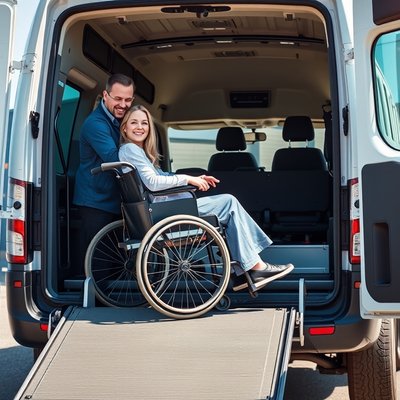
Beyond Ride Wheel Chair

Beyond Ride Logo

Beyond Ride New Screenshot.jpg

Tacoma, Washington – In healthcare discussions, missed medical appointments are often treated as scheduling gaps.
TACOMA, WA, UNITED STATES, April 27, 2026 /EINPresswire.com/ -- In healthcare discussions, missed medical appointments are often treated as scheduling gaps. A deeper look reveals a far more complex issue with financial, clinical, and systemic consequences that extend beyond individual patients. Across local healthcare systems, missed visits are quietly contributing to delayed treatment, increased emergency care usage, and rising operational strain.For many patients, especially those managing chronic conditions, consistency in care is not optional. Dialysis patients, for example, often require treatment multiple times a week. When even one session is missed, the effects can escalate quickly. The need for reliable Transportation for Dialysis Patients becomes a central factor, not simply a convenience.
Healthcare providers across the region have observed a pattern. Patients who miss routine appointments frequently return with more advanced symptoms, requiring urgent or emergency care. This shift places additional pressure on hospitals and clinics already managing limited capacity. What begins as a missed appointment often evolves into a higher-cost medical intervention.
The financial implications are significant. Missed appointments lead to underutilized clinical time, scheduling inefficiencies, and administrative overhead. When patients later require emergency services, the cost of care increases dramatically. This creates a ripple effect, impacting not only healthcare providers but also insurance systems and public resources.
Transportation barriers continue to play a critical role in this issue. Many patients rely on Wheelchair transportation or other assisted travel services to attend their medical visits. Without dependable options, even patients who are committed to their care plans may struggle to maintain consistency.
In urban and suburban areas alike, Non Emergency medical transportation services have become an essential part of the healthcare ecosystem. These services bridge the gap between home and care facilities, ensuring patients can access treatment on time. Their absence, or inconsistency, often leads to missed visits that carry both immediate and long-term consequences.
Healthcare professionals emphasize that the impact is not limited to individual outcomes. When multiple patients miss appointments, clinics experience scheduling disruptions that reduce overall efficiency. Over time, this contributes to longer wait times, reduced availability for other patients, and increased operational costs.
Emergency departments are also affected. Patients who miss routine care often present with conditions that could have been managed earlier. This increases patient volume in emergency settings, where resources are designed for acute care rather than ongoing treatment. The result is a system that becomes reactive rather than preventive.
The connection between Medical transportation and healthcare access is becoming increasingly clear. Reliable transport enables continuity of care, which is essential for managing chronic illnesses, post-operative recovery, and preventive health measures. Without it, even well-designed care plans can fail at the point of execution.
Local providers have begun to recognize transportation as a critical component of care coordination. Discussions around healthcare improvement now frequently include access to dependable transport solutions. While clinical innovation continues to advance, the importance of ensuring patients can physically reach care settings remains a foundational requirement.
In Tacoma, organizations such as Beyond Ride have been part of broader conversations around mobility and healthcare access. Their involvement in community discussions highlights a growing awareness that transportation is not a peripheral issue but a core element of patient care.
Families and caregivers also feel the impact. Managing transportation for medical appointments often requires significant time and coordination. When reliable options are unavailable, caregivers may face difficult choices between work responsibilities and supporting loved ones. This adds another layer of complexity to an already demanding role.
From a public health perspective, missed appointments represent a gap in the continuity of care that healthcare systems aim to achieve. Preventive care, chronic disease management, and early intervention all depend on consistent patient engagement. Transportation barriers disrupt this engagement, leading to outcomes that are both costly and avoidable.
The broader economic implications extend beyond healthcare facilities. Increased emergency visits, hospital admissions, and prolonged treatments contribute to higher overall healthcare spending. These costs are often shared across insurance systems, public funding, and individual patients.
Healthcare leaders are increasingly exploring integrated approaches that address both clinical and logistical challenges. Transportation is emerging as a key area of focus within these strategies. Ensuring patients have access to timely and reliable travel options is being recognized as a necessary step toward improving outcomes and reducing system strain.
As healthcare systems continue to evolve, the conversation around missed medical appointments is shifting. It is no longer viewed solely as a patient compliance issue but as a multifaceted challenge that includes accessibility, infrastructure, and coordination.
The hidden cost of missed appointments is not confined to financial metrics. It is reflected in delayed recoveries, preventable complications, and increased pressure on healthcare providers. Addressing transportation barriers offers a practical pathway to improving both patient outcomes and system efficiency.
In this context, the role of dependable Non Emergency medical transportation and Wheelchair transportation services becomes increasingly significant. Their contribution extends beyond mobility, supporting the broader goal of consistent, accessible healthcare for all members of the community.
As local healthcare systems continue to assess ways to improve efficiency and patient care, the importance of transportation is gaining renewed attention. Recognizing and addressing this factor may prove essential in reducing missed appointments and the wide-ranging costs that follow.
Beyond Ride
Beyond Ride
+1 360-300-2424
email us here
Visit us on social media:
LinkedIn
Instagram
Facebook
YouTube
TikTok
X
Other
Your Missed Appointment Just Cost The Healthcare System How Much?
Legal Disclaimer:
EIN Presswire provides this news content "as is" without warranty of any kind. We do not accept any responsibility or liability for the accuracy, content, images, videos, licenses, completeness, legality, or reliability of the information contained in this article. If you have any complaints or copyright issues related to this article, kindly contact the author above.
